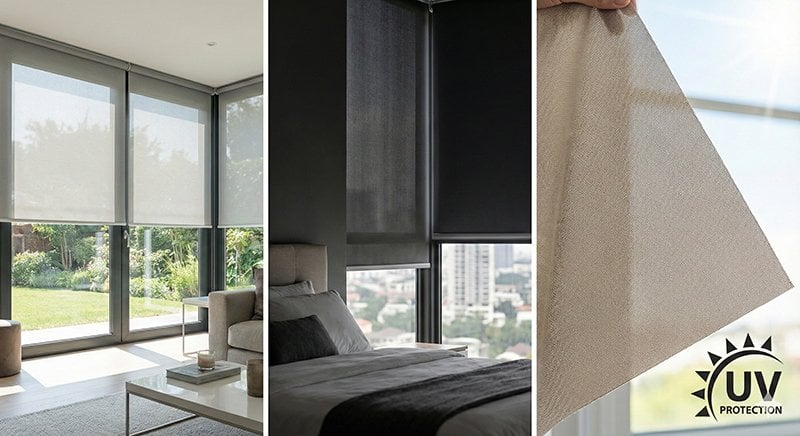
Sunscreen fabric for roller blinds offers a smart solution for homes and offices. People choose this material to block harsh sunlight, reduce glare, and protect interiors from fading. Many users also appreciate how it helps maintain privacy without sacrificing natural light. The table below shows how these blinds solve common problems:
|
Problem Addressed |
Solution Provided |
|---|---|
|
UV Rays |
Blocks harmful UV rays, protecting skin and interiors. |
|
Glare |
Reduces glare, making screens easier to view. |
|
Energy Efficiency |
Lowers heat entry, cutting cooling costs. |
|
Privacy |
Offers privacy while letting in daylight. |
UNITEC stands out as a trusted name in high-quality blinds fabrics, known for durability and advanced design.
Key Takeaways
-
Sunscreen fabric blocks harmful UV rays, protecting both skin and interior furnishings from fading.
-
These blinds reduce glare, making it easier to work on screens and enhancing overall comfort indoors.
-
Sunscreen fabric helps maintain privacy while allowing natural light to filter through, ideal for homes and offices.
-
Choosing a fabric with a tighter weave and darker color improves UV protection and glare reduction.
-
Sunscreen roller blinds can lower energy costs by minimizing heat gain, making them a smart investment.
What is sunscreen fabric
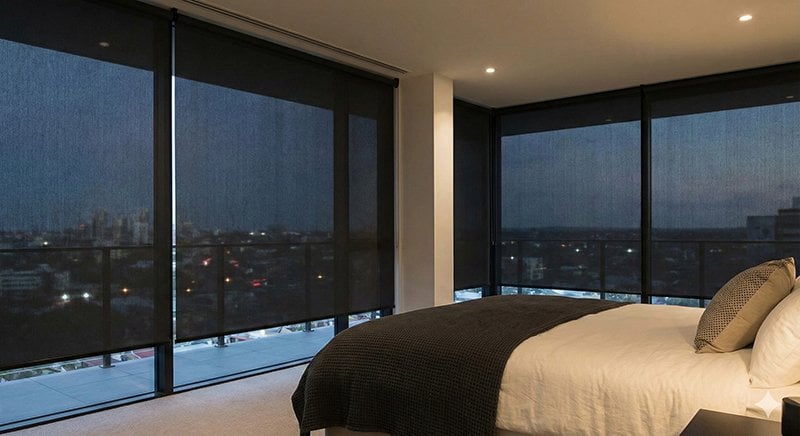
Sunscreen fabric is a specialized material used in roller blinds to manage sunlight and protect interiors. Industry standards define sunscreen fabric as a textile designed to block ultraviolet (UV) rays while allowing natural light to filter through. This fabric stands out because it offers a balance between light control and protection, making it a popular choice for homes and offices.
-
Sunscreen fabric blocks UV rays and reduces glare.
-
It allows daylight to enter, creating a comfortable indoor environment.
-
The openness factor determines how much light and heat can pass through the fabric.
-
It differs from light filter fabrics, which may not provide the same level of UV protection.
How sunscreen fabric works
Sunscreen fabric uses scientific principles to shield interiors from harmful sunlight. The weave of the fabric acts as a physical barrier, stopping much of the UV radiation. The color and dye absorb light, while the fiber chemistry provides intrinsic UV-blocking properties. Some fabrics receive special UV treatments that enhance their ability to absorb and reflect rays. Moisture and stretching can also affect how well the fabric filters UV light.
|
Factor Influencing UPF |
Scientific Mechanism |
|---|---|
|
Fabric Weave |
Physical barrier |
|
Color/Dye |
Optical absorption |
|
Fiber Chemistry |
Intrinsic UV-blocking properties |
|
UV Treatments |
Molecular absorption and reflection |
|
Moisture & Stretch |
Structural impact on UV filtration |
Tip: Choosing a sunscreen fabric with a tighter weave and darker color can improve UV protection and glare reduction.
Sunscreen fabric vs regular fabrics
Sunscreen fabric performs better than regular fabrics in blocking UV rays and controlling light. Polyester and nylon fabrics used in roller blinds can block 96-98% of UVA and over 99% of UVB radiation. Their UPF values exceed 200, which means they offer superior protection compared to many sunscreens. Regular fabrics may allow more light and UV rays to pass through, leading to increased glare and potential fading of interior furnishings.
|
Fabric Type |
UVA Blocking (%) |
UVB Blocking (%) |
UPF Value |
|---|---|---|---|
|
Polyester |
96-98 |
>99 |
>200 |
|
Nylon |
96 |
>99 |
>200 |
|
Sunscreen A |
54 (SPF 30) |
76-94 |
5.3 |
|
Sunscreen B |
82 (SPF 50) |
76-94 |
31 |
-
All tested fabrics blocked over 99% of UVB radiation.
-
The fabrics showed UVA blocking from 96% to 98%.
-
UPF values for these fabrics were much higher than those of common sunscreens.
Sunscreen fabric provides a reliable solution for those who want to protect their interiors and enjoy natural light without the drawbacks of regular fabrics.
Benefits of sunscreen fabric
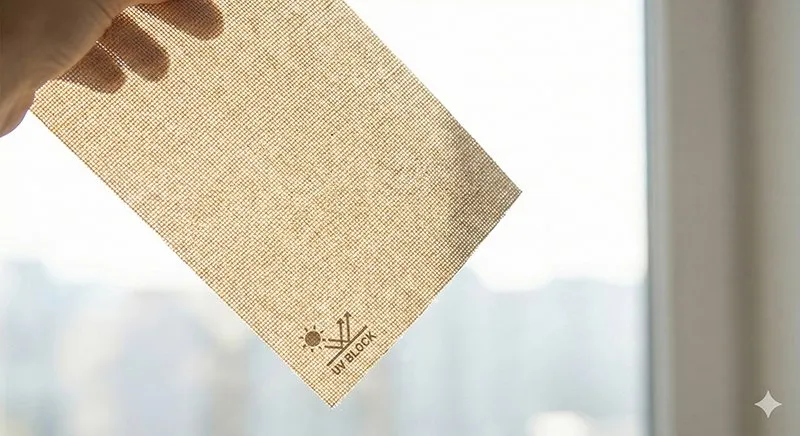
Comfort and glare reduction
Sunscreen fabric creates a comfortable indoor environment by reducing glare from direct sunlight. People often experience discomfort when sunlight reflects off screens or surfaces. This fabric filters sunlight, making it easier to read, work, or use electronic devices. The following table highlights the health and comfort benefits found in both residential and commercial settings:
|
Benefit |
Description |
|---|---|
|
Sun Protection |
Blocks a significant amount of UV rays, reducing the risk of skin damage and fading of interior elements. |
|
Light Filtering |
Filters sunlight while maintaining visibility, creating a bright atmosphere without excessive brightness. |
|
Glare Reduction |
Reduces glare from direct sunlight, enhancing comfort for reading, working, or using screens. |
|
Heat Control |
Minimizes heat gain, helping to maintain a comfortable indoor temperature during hot months. |
|
Energy Efficiency |
Contributes to energy savings by reducing cooling costs and enhancing overall efficiency. |
|
Privacy |
Provides a level of privacy during daylight while allowing visibility to the outside. |
UNITEC’s sunscreen fabric stands out for its ability to deliver consistent comfort. The company’s products are trusted in luxury markets, where comfort and style matter most.
Privacy and natural light
Sunscreen fabric offers privacy while allowing natural light to enter a room. This balance is important in homes and offices where people want to enjoy daylight without feeling exposed. The fabric’s sheer design lets sunlight filter through, but it blocks the view from outside during the day. People in high-rise buildings or busy areas benefit from this feature.
-
Sunscreen roller blinds filter light while providing privacy during the day.
-
Sheer fabric allows natural light to enter a room.
-
These blinds block harmful UV rays while maintaining visibility from the outside.
-
This design is especially useful in areas with significant foot traffic.
UNITEC’s blinds fabrics combine privacy and light control, making them suitable for a wide range of environments.
UV protection and interior care
Sunscreen fabric provides strong UV protection, which helps preserve the appearance of interior furnishings. Carpets, furniture upholstery, and wall paint can fade or deteriorate when exposed to sunlight. By blocking a large portion of UV rays, the fabric extends the life of these items.
-
Sunscreen fabrics offer significant UV protection, helping prevent fading and damage to interior furnishings.
-
By blocking UV rays, these fabrics help maintain the appearance of carpets, furniture, and wall paint.
-
A UPF rating of 50 means only 1/50th of UV rays can penetrate the fabric.
-
Higher UPF values provide greater protection, which is crucial for preserving interior furnishings.
UNITEC’s products meet strict quality standards. The company holds certifications such as ISO9001:2008, SGS, INTERTEK, and Oeko-tex, which guarantee safety and performance.
|
Certification |
Description |
|---|---|
|
ISO9001:2008 |
Quality management system certification |
|
SGS |
International certification body |
|
INTERTEK |
Quality assurance and testing services |
|
Oeko-tex |
Certification for textiles free from harmful substances |
These certifications show UNITEC’s commitment to delivering safe and reliable sunscreen fabric.
Energy savings
Sunscreen fabric helps reduce energy costs by controlling heat gain. When sunlight enters a room, it can raise the temperature and increase the need for air conditioning. The fabric minimizes heat entry, which keeps rooms cooler and lowers cooling expenses. People who use these blinds often notice a difference in their energy bills.
Note: UNITEC’s reputation for durability means their sunscreen fabric continues to perform well over time, making it a smart investment for energy efficiency.
UNITEC’s products are popular in luxury markets across Europe, America, and Australia. Customers value the combination of style, comfort, and long-term savings.
Features of sunscreen fabric
Material types (polyester, fiberglass, vinyl mesh)
Manufacturers use several materials to create high-performance window coverings. The most common materials include polyester, fiberglass, and vinyl mesh. Each material offers unique advantages for light control and durability.
|
Material |
Advantages |
|---|---|
|
Microfiber |
Solar control, anti-UV properties, reduces glare |
|
PVC |
Maintains visibility while blocking UV rays |
Many products use vinyl-coated polyester yarn. This combination provides excellent UV protection and glare control. It also ensures high color fastness and long-lasting performance. Some fabrics are fire-retardant and smoke resistant, which adds safety to homes and offices.
Openness factor and light control
The openness factor describes how tightly the yarns are woven. A low openness factor, such as 1-3%, maximizes glare and heat control while still allowing a view outside. This makes it ideal for offices or rooms that need privacy and reduced sunlight. A higher openness factor, like 10% or more, increases natural light and visibility but offers less glare control and privacy. Choosing the right openness factor helps balance light management and visibility for each space.
UV blocking performance
Different types of fabric offer varying levels of UV protection. Polyester and recycled polyester can achieve UPF ratings of 30–50+. Nylon and recycled nylon also reach UPF 30–50+. Some blends, such as bamboo viscose, provide UPF 50+ protection. These high ratings help protect interiors from fading and reduce the risk of UV exposure.
|
Fabric Type |
UPF Rating |
|---|---|
|
Polyester & Recycled Polyester |
UPF 30–50+ |
|
Nylon & Recycled Nylon |
UPF 30–50+ |
|
Bamboo Viscose Blends |
UPF 50+ |
Color and design options
Color and design play a key role in both function and style. Light-colored fabrics, available in openness factors like 1%, 3%, 5%, and 10%, provide more heat reduction and diffuse light. Dark-colored options reduce glare and enhance the outside view. High-performance and textured collections offer designer patterns and natural aesthetics.
|
Color Type |
Openness Factor |
Impact on Aesthetics |
|---|---|---|
|
Light-colored |
1%, 3%, 5%, 10% |
More heat reduction, diffuses light |
|
Dark-colored |
1%, 3%, 5%, 10% |
Reduces glare, enhances view-through |
|
Textured Collections |
Various |
Natural aesthetics, designer patterns |
UNITEC offers a wide range of products, including roller blinds, zebra blinds, blackout and light-filtering fabrics, and hardware accessories. Their fabrics are easy to install, with options like no-drill systems. The company uses environmentally friendly materials and maintains strict quality control. Customers can choose from many colors and patterns, ensuring a match for any taste or need.
Note: UNITEC’s commitment to customization allows every customer to find the right solution for their space.
Choosing sunscreen fabric
Assessing room needs
Selecting the right window covering begins with understanding the room’s requirements. People should consider the type of fiber used in the fabric. Synthetic fibers like polyester offer strong UV protection because manufacturers add UV-blocking agents. Natural fibers such as cotton provide less protection. The construction of the fabric also matters. A tight weave increases UV blockage, while a loose weave may need extra treatments.
-
Fiber type affects UV protection.
-
Weave density influences how much light and heat enter the room.
Tip: Rooms with direct sunlight benefit from tightly woven synthetic fabrics.
Measuring windows
Accurate measurements ensure a proper fit for roller blinds. Individuals can choose between inside mount and outside mount installations.
-
For inside mount, measure the width at the top, center, and bottom of the window casing. Use the smallest measurement and round down to the nearest 1/8 inch.
-
For height, measure from the top to the bottom inside the casing at three points.
-
Check the depth of the casing; it should be more than 3 1/8 inches.
-
For outside mount, add about 15 centimeters to the width and height of the outer frame.
-
Use cardboard to visualize placement and prevent overlap.
-
Decide the coverage area, aiming for at least 1.5 inches beyond the trim.
-
Measure width and height as described, then record measurements as width x height.
Matching decor
Window coverings should complement the room’s style. People often use perennial fabrics and pillows that resist fading in sunrooms. Outdoor furniture keeps the space fresh and sleek. Durable design elements, such as a strong wooden table, enhance the overall look.
-
Choose colors and textures that match existing furniture.
-
Select patterns that fit the room’s theme.
Budget and value
Cost plays a role in choosing window treatments. The table below compares prices for different options:
|
Window Treatment Type |
Single Window 36×60 |
Double Window 72×60 |
|---|---|---|
|
Roller Shades |
$200 – $600 |
$350 – $1,150 |
|
Sheer/Silhouette Shades |
$750 – $1,350 |
$1,350 – $2,300 |
|
Interior/Plantation Shutters |
$580 – $1,380 |
$1,160 – $2,683 |
|
Honeycomb/Cellular Shades |
$200 – $1,100 |
$300 – $1,950 |
|
Natural Woven Shades |
$250 – $1,000 |
$450 – $1,650 |
|
Soft Roman Shades |
$350 – $1,150 |
$650 – $2,250 |
Roller shades offer a balance of value and performance. People often find them cost-effective compared to other treatments.
Installation and care
DIY vs professional install
Homeowners often choose between installing roller blinds themselves or hiring professionals. Each approach offers distinct advantages and drawbacks. The table below compares both options:
|
Installation Type |
Pros |
Cons |
|---|---|---|
|
Cost-effective; full control over placement; sense of accomplishment |
Can be complex; risk of errors; may require special tools |
|
|
Professional Installation |
Expertise; efficient; quality assurance |
Higher cost; scheduling required; less control over details |
People who enjoy hands-on projects may prefer DIY installation for its cost savings and customization. Those who want guaranteed results and less hassle often select professional installation.
Cleaning tips
Regular cleaning helps maintain roller blinds and extends their lifespan. Follow these steps for best results:
-
Fully extend the blinds to their maximum length.
-
Dust the surface with a feather duster or microfiber cloth.
-
Wipe the blinds downward from the top using a clean, damp cloth or sponge.
-
Rinse the cloth or sponge often to remove dirt.
-
For stubborn stains, mix a small amount of dishwashing liquid with water and gently rub the area.
-
For tough stains, spot clean with a mixture of 10% diluted bleach-based cleaner and 90% water or use disinfecting wipes.
-
If possible, remove the blind and clean it on a flat surface.
-
Dry the fabric with a soft cloth and hang until completely dry before rolling up.
-
Avoid abrasive brushes to prevent damage.
-
Test cleaning solutions on a small area first.
-
Rinse thoroughly after using chemicals.
-
Wait until blinds are dry before rolling them up to prevent mold.
Tip: Regular cleaning not only keeps blinds looking fresh but also helps prevent the spread of germs.
Troubleshooting
Roller blinds may encounter common issues over time. The table below lists frequent problems and solutions:
|
Issue |
Cause |
Solution |
|---|---|---|
|
Shade won’t stop at the right position |
Limit settings need adjustment |
Reprogram limit positions using remote or motor instructions |
|
Roller shade moves too fast/slow |
Motor loosened or not fully charged |
Reset motor; ensure shade is charged and aligned |
|
Remote control doesn’t work |
Weak batteries or needs re-sync |
Replace batteries or re-sync remote |
|
Shades not moving in sync |
Remote channels or motor pairing not synced |
Re-pair shades to the same channel |
|
Motor doesn’t respond |
Power-related issues |
Check motor charge or outlet |
|
Uneven fabric |
Handling during shipping |
Adjust fabric as per instructions |
Other issues include crooked hanging, shades falling out, or hitting obstacles. People should check bracket alignment, inspect for wear, and use spacers if needed.
Note: If the fabric tears or frays, replacing the entire shade may be necessary for optimal performance.
Industry experts highlight several key advantages of roller blinds made with advanced materials. The table below summarizes these benefits:
|
Advantage |
Description |
|---|---|
|
Blocks up to 95% of harmful UV rays, protecting furniture and flooring. |
|
|
Glare Reduction |
Reduces glare, improving comfort for work and relaxation. |
|
Energy Efficiency |
Helps regulate temperature, lowering energy bills. |
|
Daytime Privacy |
Maintains outside views while shielding interiors from prying eyes. |
UNITEC stands out for its certified quality, wide variety, and strong customer support. Shoppers should consider factors like sun protection, light transmission, durability, and style when choosing the right solution for their space.
FAQ
What is the openness factor in sunscreen fabric?
The openness factor measures how tightly the threads are woven. A lower percentage blocks more light and heat. A higher percentage allows more daylight and outside views.
How does sunscreen fabric protect furniture?
Sunscreen fabric blocks most UV rays. This protection helps prevent fading and damage to carpets, upholstery, and wall paint. Interiors stay vibrant longer.
Can sunscreen roller blinds be cleaned easily?
People can clean sunscreen roller blinds with a soft cloth or vacuum. Mild soap and water remove stains. Avoid harsh chemicals to keep the fabric in good condition.
Does sunscreen fabric provide privacy at night?
Sunscreen fabric offers privacy during the day. At night, indoor lights may make rooms visible from outside. For full privacy, combine with blackout blinds.
What certifications does UNITEC sunscreen fabric have?
UNITEC sunscreen fabric holds ISO9001:2008, SGS, INTERTEK, and Oeko-tex certifications. These standards ensure safety, quality, and environmental friendliness.