Blackout Blinds for Privacy and Sunlight Control: A Comprehensive Guide
Modern architecture increasingly features large windows, open-plan designs, and floor-to-ceiling glass. While these elements enhance natural light and create a sense of spaciousness, they also bring challenges: unwanted glare, compromised privacy, and difficulty maintaining consistent indoor temperatures. This is where blackout blinds designed for privacy and sunlight control come in as a premium solution for homes, offices, hotels, and commercial spaces.
Blackout blinds are not merely decorative—they are functional, energy-efficient, and essential for creating comfortable, private, and well-regulated interior environments.
1. Understanding Blackout Blinds and Their Role
Choose curtain cloth to cover UNITEC room!
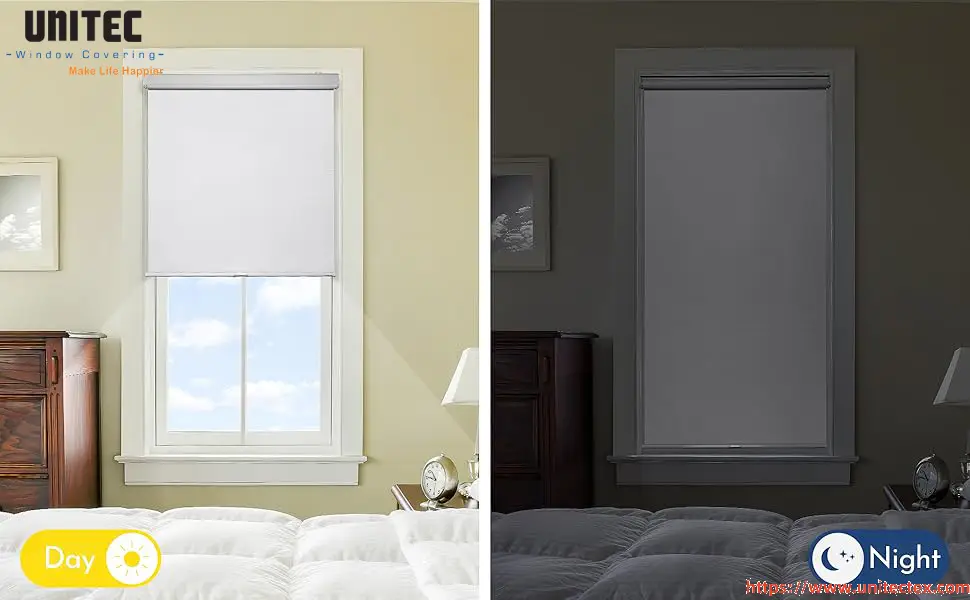
Unlike traditional curtains or standard roller blinds, blackout blinds are engineered to block 100% of sunlight, providing complete darkness when needed. The key features include:
Light-blocking fabrics: High-density polyester or PVC-coated textiles prevent sunlight and UV rays from entering.
Thermal insulation: The material reduces heat transfer, maintaining stable indoor temperatures.
Noise reduction: Thick fabrics can absorb ambient noise, creating a quieter environment.
Privacy control: Blackout blinds prevent outside visibility, protecting residents, hotel guests, or office workers from unwanted observation.
For clients in the U.S., privacy is a major concern in high-rise apartments and street-facing homes, while in other markets, such as Europe or Turkey, sunlight control is critical in areas with intense daylight exposure.
2. Privacy Control: Protecting Personal and Professional Spaces
Privacy is an essential factor in both residential and commercial settings. Blackout blinds provide a reliable solution for:
Bedrooms and bathrooms: Ensuring occupants can rest or refresh without concern.
Hotels and resorts: Offering guests complete discretion, especially in rooms with floor-to-ceiling windows.
Offices and conference rooms: Preventing visual access from adjacent buildings or public spaces, maintaining confidentiality.
Unlike sheer or semi-transparent blinds, blackout materials guarantee that no silhouettes or interior details are visible from outside, regardless of time of day or lighting conditions.
3. Sunlight Control: Balancing Natural Light and Comfort
Excessive sunlight can create multiple problems, including glare, fading of furniture, and increased cooling costs. Blackout blinds effectively control sunlight by:
Blocking UV rays: Protects flooring, furniture, and electronics from fading or damage.
Reducing glare: Ideal for media rooms, offices with monitors, and bedrooms where light sensitivity matters.
Thermal regulation: Prevents overheating in summer while maintaining warmth in winter, reducing HVAC costs.
By customizing the material and opacity level, blackout blinds allow users to choose between full darkness and partial light control, providing flexibility in managing interior ambiance.
4. Technical Features for Optimal Performance
Modern blackout blinds incorporate advanced technologies and design features to enhance functionality:
Fabric quality: Multi-layered or PVC-coated polyester fabrics ensure durability, wrinkle resistance, and sustained opacity.
Roller mechanisms: Smooth, reliable operation using spring-assisted, chain-operated, or motorized systems.
Motorization and smart home integration: Many blinds can be automated and integrated with systems like Alexa, Google Home, or proprietary hotel automation.
Customization options: Blackout blinds can be tailored to specific dimensions, colors, and finishes to fit windows of all sizes, from small residential units to large commercial façades.
Investing in high-quality materials and mechanisms ensures long-term reliability, which is especially critical in hotels, commercial offices, and luxury residences.
5. Energy Efficiency and Sustainability
In addition to privacy and light control, blackout blinds contribute significantly to energy savings and sustainability:
Heat insulation: Prevents heat from escaping in winter and entering in summer.
Reduced HVAC consumption: Stabilizes indoor temperatures, reducing energy bills.
Durable materials: High-quality fabrics last for years, minimizing replacement waste.
Eco-certified options: Many premium manufacturers offer fabrics certified by standards like Oeko-Tex 100 or ISO9001, ensuring environmentally responsible production.
For homeowners, hotels, and offices aiming to achieve sustainability certifications, blackout blinds provide both functional and environmental benefits.