
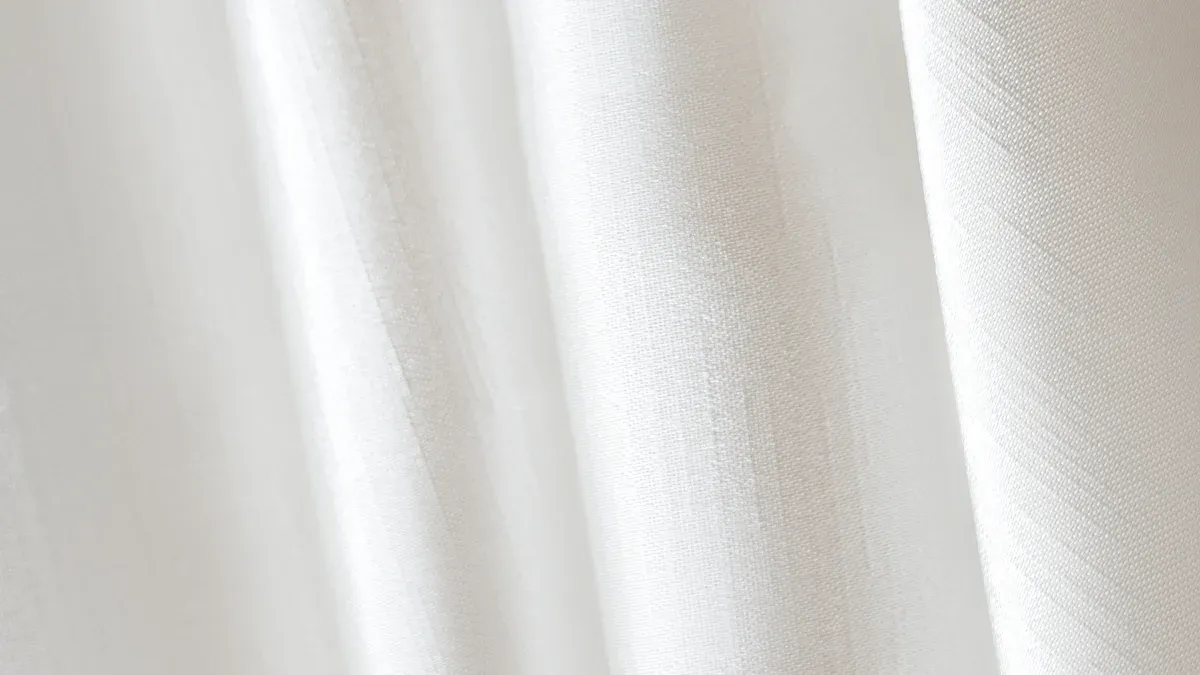
Organic cotton voile fabric offers a unique blend of comfort and sustainability. Voile feels soft and lightweight, making it gentle on skin and perfect for warm climates. Its breathable structure allows for excellent airflow, which keeps spaces and clothing cool. Choosing organic voile supports eco-friendly practices and reduces environmental harm.
Organic cotton makes up only about 0.95% of global cotton production.
Voile fabric uses organic farming methods that avoid toxic pesticides and fertilizers, helping to protect soil and water.
Conventional cotton farming uses large amounts of chemicals, leading to pollution and health risks.
Voile is ideal for window treatments and clothing, giving you both comfort and peace of mind. The benefits of organic voile extend to both personal well-being and the environment.
Key Takeaways
Organic cotton voile fabric is soft, lightweight, and breathable, making it perfect for warm weather clothing and home décor.
Choosing organic voile supports eco-friendly farming practices, reducing chemical use and protecting soil and water quality.
Voile fabric is hypoallergenic and safe for sensitive skin, making it a great choice for everyone, including babies.
Opt for organic cotton voile to enjoy stylish comfort while contributing to a healthier planet and supporting ethical practices.
Look for certifications like GOTS or OEKO-TEX to ensure the fabric meets high environmental and safety standards.
What Is Organic Cotton Voile Fabric
Unique Qualities of Voile
Voile fabric stands out for its delicate and airy feel. This fabric is lightweight and semi-sheer, which means it lets light pass through while still offering some privacy. Voile has a high thread count, giving it a silky soft hand that feels gentle against the skin. Many people choose voile for summer clothing because it keeps the body cool and comfortable. The soft texture makes voile fabric a favorite for those who want both style and comfort. Voile fabric works well for window treatments, curtains, and even scarves. Its versatility allows it to fit into many settings, from bedrooms to living rooms and wardrobes.
Lightweight and semi-sheer
High thread count for a soft touch
Made from 100% organic cotton
Suitable for warm-weather clothing
Adheres to GOTS certification standards
Voile fabric brings a sense of elegance and ease to any space or outfit. The soft drape and breathable nature make voile a top choice for those who value comfort.
How Organic Cotton Voile Differs
Organic cotton voile fabric sets itself apart through its eco-friendly production. Farmers grow organic cotton without using synthetic pesticides or fertilizers. This method keeps soil and water cleaner and supports healthier ecosystems. Organic farming practices also help the soil stay rich and promote biodiversity. These steps are not common in conventional cotton farming. Organic cotton voile fabric uses less water and energy during production, making it a sustainable and eco-friendly fabric option.
Voile fabric made from organic cotton is gentle on the skin and safe for sensitive users. It does not contain harsh chemicals, so it is ideal for clothing and window treatments in homes that value health and comfort. Organic cotton fabrics often carry certifications like GOTS, which means they meet strict environmental and social standards. Choosing organic cotton voile fabric supports ethical practices and helps protect the planet. The benefits of this fabric reach beyond personal comfort, making it a smart choice for anyone who wants to make a positive impact.
Comfort Benefits of Using Voile Fabric
Breathability and Softness
Voile stands out for its breathability. The weave of voile fabric allows air to move freely. This airflow keeps the body cool and comfortable, especially in warm weather. Many people choose cotton voile for summer clothing because it helps prevent overheating. The lightweight nature of this fabric means it does not cling to the skin. Instead, it drapes softly and feels gentle with every movement.
Softness is another key benefit. Voile has a soft texture that feels pleasant against the skin. The high thread count in cotton voile gives it a smooth surface. This makes it ideal for garments that touch the skin directly. Many users notice that voile fabric feels softer than other cotton fabrics. The combination of softness and breathability creates a comfortable experience for daily wear.
Tip: For the best comfort during hot days, select voile clothing or curtains. The fabric will help keep your space or body cool.
Skin-Friendly Features
Voile fabric is known for being hypoallergenic. It does not trap dust or irritants, which makes it better for sensitive skin. People with allergies often prefer organic cotton voile fabric because it reduces the risk of skin reactions. The absence of harsh chemicals in organic cotton fabric adds another layer of safety. This fabric is gentle enough for babies and those with delicate skin.
Organic production methods ensure that the fabric remains pure. No synthetic pesticides or fertilizers are used. This makes voile a safer choice for anyone who wants to avoid exposure to harmful substances. The fabric’s ability to absorb moisture also helps keep the skin dry. This reduces the chance of irritation or discomfort, even during long hours of wear.
Voile is better for sensitive skin.
It is hypoallergenic and gentle.
Organic cotton voile fabric is safe for people with allergies.
Everyday Applications
The benefits of using voile fabric extend to many areas of daily life. In clothing, voile is popular for shirts, dresses, and scarves. Its lightweight feel makes it perfect for summer garments. Many people also use voile for window treatments. Curtains made from voile allow natural light to enter while still providing privacy.
Voile fabric works well in bedrooms, living rooms, and nurseries. It adds a touch of elegance without feeling heavy. The fabric’s soft drape and airy quality make it a favorite for home décor. People who value sustainable fabrics often choose voile because it is both eco-friendly and sustainable. The organic nature of this fabric supports a healthier lifestyle and a cleaner environment.
Application | Benefit |
|---|---|
Clothing | Lightweight, soft, breathable |
Window Treatments | Airy, lets in light, elegant |
Home Décor | Soft texture, sustainable |
The quality of voile fabric ensures long-lasting comfort. Its versatility means you can enjoy its benefits in many settings. Whether you want breathable garments or elegant curtains, voile offers a solution that is both practical and stylish.
Eco-Friendly Benefits
Sustainable Production
Voile stands out as an eco-friendly fabric because of its sustainable production methods. Organic farming avoids synthetic pesticides and fertilizers, which helps protect the environment. Farmers use natural techniques like crop rotation and composting to keep the soil healthy. These methods support biodiversity and create a balanced ecosystem on the farm. The production of organic cotton voile fabric also helps fight climate change. Healthy organic soil stores more carbon and can handle extreme weather better than conventional fields.
Here is a table showing the main environmental benefits of organic farming:
Environmental Benefit | Description |
|---|---|
Avoidance of Synthetic Chemicals | Organic farming avoids harmful pesticides and fertilizers, supporting a healthier ecosystem. |
Climate Change Mitigation | Healthy soil in organic farms helps reduce climate change effects. |
Water Conservation | Organic farms often use less water and rely on efficient irrigation. |
Biodiversity Support | Organic methods increase beneficial insects and plant diversity. |
Soil Health Improvement | Organic practices keep soil rich and fertile for future crops. |
Reduction of Water Contamination | Clean farming prevents pollution of rivers and lakes. |
Voile fabric made from organic cotton supports these sustainable practices. This makes it a top choice for people who want environmentally friendly options in their homes and wardrobes.
Reduced Water and Chemical Use
Organic cotton voile fabric uses much less water and far fewer chemicals than conventional cotton. Farmers do not use toxic pesticides, herbicides, or chemical fertilizers. Instead, they rely on natural solutions like beneficial insects and crop rotation. These methods keep pests away and improve soil fertility without harming the environment. The growing period for organic cotton is longer, which allows for natural defoliation. This means there is no need for chemical sprays to remove leaves before harvest.
Organic cotton is grown without toxic chemicals.
Farmers use natural fertilizers like cow manure.
Beneficial insects help control pests.
Hand harvesting reduces waste and protects the quality of the fabric.
Water use is lower because organic farms often use dryland methods or efficient irrigation.
Voile fabric made from organic cotton is also biodegradable. It breaks down much faster than synthetic fabrics, which can stay in landfills for decades. Cotton voile returns nutrients to the soil as it decomposes and does not release harmful microplastics. Synthetic fabrics, on the other hand, do not break down naturally and add to landfill waste.
Note: Choosing voile fabric helps reduce pollution and supports a cleaner planet.
Ethical Practices
Voile production often follows strict ethical standards. Many organic cotton fabrics carry certifications that guarantee safe and fair working conditions. The Global Organic Textile Standard (GOTS) checks every step of production, from the farm to the finished fabric. This includes rules for safe dyes, waste management, and labor rights. OEKO-TEX Standard 100 tests fabrics for harmful substances, making sure they are safe for people to use. The Organic Content Standard (OCS) verifies the organic content in the fabric.
Certification | Description |
|---|---|
GOTS | Ensures organic textiles at every stage, including strict rules for dyes and labor conditions. |
OEKO-TEX® Standard 100 | Tests for harmful substances to ensure product safety. |
Organic Content Standard (OCS) | Verifies the organic content of the fabric. |
Organic cotton voile fabric is safer for workers. They do not have to handle toxic chemicals, which protects their health and the environment. Organic farming also supports local communities by promoting fair wages and better working conditions. This focus on ethics and quality makes voile a responsible choice for anyone who values sustainable fabrics.
Tip: Look for certifications like GOTS or OEKO-TEX when choosing voile fabric for your next project.
Voile fabric offers a high-quality material that is lightweight, soft, and sustainable. It supports ethical practices, protects the environment, and provides a safe option for clothing and home décor. By choosing organic cotton voile fabric, you help create a better future for people and the planet.
Voile vs. Other Fabrics
Organic Cotton vs. Conventional Cotton
Organic cotton voile fabric stands apart from conventional cotton options. Farmers grow organic cotton without synthetic chemicals, which helps protect the environment and supports sustainable agriculture. Conventional cotton often relies on pesticides and fertilizers that can harm soil and water. Organic cotton fabric feels softer and is less likely to irritate sensitive skin. Voile fabric made from organic cotton offers a gentle touch and high breathability, making it ideal for warm climates and everyday use. The quality of organic cotton voile ensures comfort and durability in garments and home textiles.
Voile vs. Synthetics
Voile fabric provides several advantages over synthetic fabrics. Synthetic materials, such as polyester or nylon, may trap heat and feel less comfortable against the skin. Voile allows air to circulate, which keeps the body cool and dry. The softness of voile fabric makes it suitable for all-day wear, while synthetics can sometimes cause irritation. Voile is more durable than chiffon, which is often made from silk or synthetic fibers and can tear easily. Cotton voile is also biodegradable, so it does not contribute to landfill waste like synthetic fabrics.
Tip: Choose voile for breathable and gentle clothing or window treatments, especially in hot weather.
Application Differences
Voile fabric is lighter than many other cotton fabrics, making it perfect for applications that require a delicate touch. The following table compares the weight of common cotton fabrics:
Fabric Type | Weight (grams per square meter) |
|---|---|
Cotton Voile | 50-60 |
Cotton Poplin | 100-130 |
Cotton Twill | 200-300 |

Cotton voile stands out for its breathability, softness, and durability. It is often used for dresses, blouses, skirts, tunics, scarves, and lingerie. Voile fabric is also popular for window treatments because it lets in light while providing privacy. In contrast, poplin and twill are heavier and better suited for structured garments or upholstery. Voile’s lightweight nature and organic qualities make it a preferred choice for sustainable and comfortable clothing and home décor.
Organic cotton voile fabric offers lasting comfort and supports a healthier planet. Its lightweight and soft texture makes it ideal for clothing and window treatments. Choosing this fabric brings many long-term environmental benefits:
Reduced chemical use keeps soil and water clean.
Healthier soil supports biodiversity.
Safer conditions for farmers.
Stronger, softer fibers for high-quality products.
Eco-friendly production saves water and energy.
Biodegradability reduces landfill waste.
Select organic cotton voile for your next project to enjoy comfort and help protect the environment.
FAQ
What makes organic cotton voile fabric different from regular cotton voile?
Organic cotton voile fabric uses cotton grown without synthetic chemicals. This process protects the environment and supports healthier farming. Regular cotton voile may use pesticides and fertilizers that can harm soil and water.
Is organic cotton voile fabric suitable for sensitive skin?
Yes. Organic cotton voile fabric feels soft and gentle. It does not contain harsh chemicals. Many people with sensitive skin choose organic cotton garments made from voile for comfort and safety.
Can I use organic cotton voile for window treatments?
Absolutely. Organic cotton voile works well for curtains and drapes. The fabric lets in natural light while providing privacy. It adds a soft, airy look to any room.
How do I care for organic cotton products made from voile?
Wash organic cotton products in cold water with mild detergent. Air dry or use a low heat setting. Avoid bleach to keep the fabric soft and long-lasting.
Is organic cotton voile fabric environmentally friendly?
Yes. Organic cotton voile fabric supports sustainable farming. It uses less water and avoids harmful chemicals. This choice helps protect the planet and supports ethical practices.