

The most recommended choice for lining curtain fabric is cotton or a high-quality blend. These options protect curtains from sunlight, enhance privacy, and help insulate the room. Many interior designers choose these fabrics because they add fullness to drapes and improve the overall look. Opaque linings also block light completely, making them ideal for bedrooms or media rooms.
Key Takeaways
-
Choose cotton or high-quality blends for curtain linings. They enhance privacy, block sunlight, and improve insulation.
-
Consider blackout or thermal fabrics for bedrooms and media rooms. These options provide complete light blockage and help maintain comfortable temperatures.
-
Match the lining weight to the curtain fabric. Lightweight curtains need light linings, while heavy drapes require robust options for support and fullness.
-
Regular maintenance extends the life of your curtains. Vacuum weekly and follow care labels for washing to keep them looking fresh.
-
Stay within budget by selecting affordable materials like polyester or cotton blends. They offer durability and easy maintenance for busy households.
Lining Curtain Fabric Options
Choosing the right lining curtain fabric can transform the look and function of any room. Each type of drapery lining fabric offers unique benefits, from insulation to light control. The following sections break down the main options, helping readers understand which lining fabric material best suits their needs.
Cotton Lining Overview
Cotton remains a popular choice for drapery lining fabric due to its natural feel and versatility. Many homeowners prefer cotton because it is sturdy and can withstand regular use. Thicker cotton curtains help maintain room temperature by reducing heat transfer through windows. Cotton also provides better light filtering compared to linen, making it suitable for bedrooms or media rooms.
|
Aspect |
Advantage |
Disadvantage |
|---|---|---|
|
Durability |
Cotton is sturdy and can withstand regular use. |
Under prolonged sun exposure, cotton may fade and weaken. |
|
Insulation |
Thicker cotton curtains can help maintain room temperature by reducing heat transfer. |
Less breathable than linen, which may affect comfort. |
|
Light Control |
Cotton offers better light filtering, effectively blocking out sunlight. |
May not provide as much light control as heavier fabrics. |
Cotton lining fabric material often meets certifications such as OEKO-TEX STANDARD 100, which ensures safety from harmful substances. This makes cotton a reliable and safe option for homes.
Polyester and Blends Lining Curtains
Polyester and blended fabrics have become common in modern drapery lining fabric. These materials offer durability, smoothness, and good draping qualities. Polyester blends resist wrinkles and shrinking, making them easy to maintain. They also add weight and body, allowing curtains to drape more gracefully.
|
Aspect |
Description |
|---|---|
|
Aesthetics and Style |
Linings can add weight and body, allowing your curtains to drape more gracefully. Some linings come in decorative patterns, adding design elements to the unseen side of your curtains. |
|
Drape |
Linings add weight and body, allowing curtains to drape more gracefully. Interlining offers the most weight and fullness for a luxurious look. |
|
Good Lining Fabric |
Should complement the main curtain fabric while offering additional functionality, such as durability, smoothness, and good draping qualities. |
Many polyester blends carry certifications like GREENGUARD, which focuses on low chemical emissions and healthier indoor air quality. These standards ensure that the lining fabric material is safe for use in homes and public spaces.
Blackout and Thermal Fabrics
Blackout lining and thermal lining fabrics serve specific purposes. Blackout fabrics block light completely, making them ideal for bedrooms, media rooms, or any space where privacy and darkness are important. Laboratory tests confirm that certain thermal blackout curtains can achieve up to 100% light blockage.
Thermal lining provides insulation, helping to keep rooms warmer in winter and cooler in summer. These fabrics trap air leaks and reduce heat transfer, which can lead to lower energy bills. While the exact savings may vary, thermal curtain lining fabrics help maintain a comfortable temperature in the home.
|
Type of Fabric |
Properties |
Use Cases |
|---|---|---|
|
Blackout Fabric |
Blocks light, improves thermal and acoustic insulation |
Bedrooms, media rooms |
|
Lined Fabric |
Standard fabric with blackout lining, enhances insulation and UV protection |
Hotels, cinemas |
|
Thermal Lining |
Provides thermal insulation, keeping spaces warmer in winter and cooler in summer |
Energy-efficient homes |
Tip: Blackout and thermal lining curtain fabric not only enhance comfort but also protect curtains from sun damage and help with sound absorption.
Interlining Types
Interlining adds an extra layer between the main curtain and the lining. This type of drapery lining fabric increases fullness, improves insulation, and enhances sound absorption. Different interlining types use various materials, each offering unique benefits.
|
Interlining Type |
Material Composition |
Effects on Insulation and Drape |
|---|---|---|
|
Stich Web Bump |
70% Viscose, 30% Polyester |
Better stability and appearance, adds body and weight. |
|
FR Bump |
90% Cotton, 10% Polyester |
Enhances draping qualities, improves insulation, flame retardant. |
|
Domette |
100% Cotton |
Excellent drape, softens stiff fabrics, UV protection for silk. |
|
Pre-shrunk Domette |
Brushed Cotton Twill |
Light-reducing, insulating, creates fuller folds. |
|
Intermax Domette |
100% Cotton |
Lightweight, insulating, provides exquisite drape. |
|
Sarille |
80% Polyester, 20% Viscose |
Economical, won’t shrink, good for humid areas, but less drape. |
|
Extra heavy-weight Sarille |
80% Polyester, 20% Viscose |
Adds weight to heavy fabrics, cost-effective. |
|
Extra light Sarille |
80% Polyester, 20% Viscose |
Adds body to lightweight fabrics. |
Thicker interlining fabric improves sound absorption by increasing density and trapping sound waves. Research shows that three-layer curtains with thick interlining can reduce echo times, making rooms quieter and more comfortable.
Note: Many high-quality interlining options meet certifications such as OEKO-TEX and MADE IN GREEN, ensuring safety and environmental responsibility.
By understanding the different types of drapery lining fabric, homeowners and designers can select the best lining fabric material for their specific needs, whether they want better insulation, improved drape, or complete light control.
How to Choose the Best Lining Fabric
Room and Function Needs
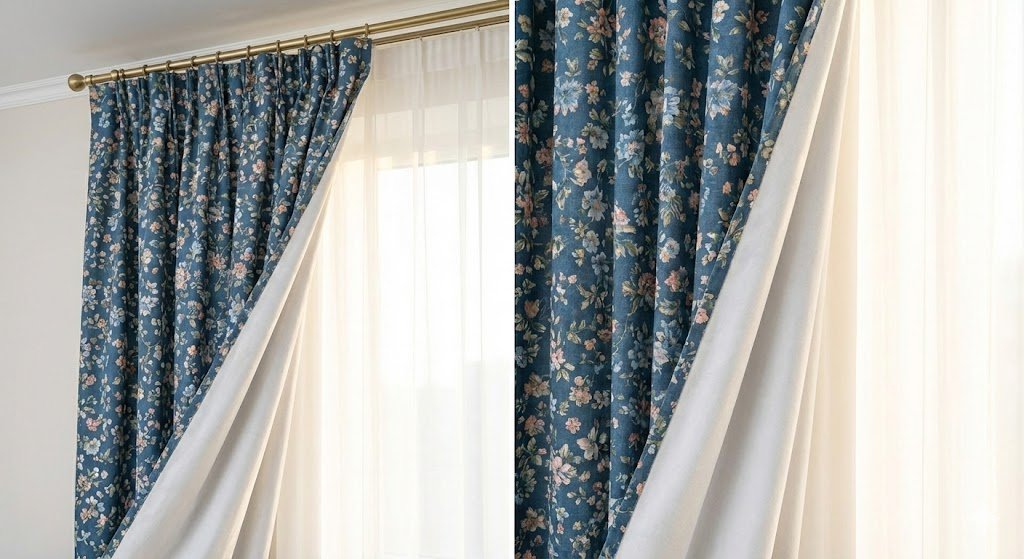
Selecting the right drapery lining fabric starts with understanding the room’s purpose and environment. Bedrooms often require blackout lining to block light and ensure privacy. Living rooms benefit from lighter polyester or cotton blends that create a bright, inviting atmosphere. Kitchens and bathrooms need linings that resist moisture and temperature changes. Lining curtain fabric protects the main drape from humidity and sunlight, which helps extend its lifespan and maintain its appearance.
|
Liner Type |
Opacity Range |
Aesthetic Appeal |
Applicable Scenarios |
|---|---|---|---|
|
Polyester Fabric – White Liner |
55% – 85% |
Bright, soft, inviting look |
Living rooms, studies |
|
Polyester Fabric – Black Liner |
65% – 95% |
Bold contrast, modern decor |
Bedrooms, home theaters, meeting rooms |
|
Polyester Fabric – Same Color |
55% – 95% |
Seamless coordination with main fabric |
High-end homes, commercial spaces |
Lining also improves energy efficiency by providing insulation, which is important in rooms with temperature fluctuations. It helps control noise, making living spaces more comfortable.
Tip: In humid rooms, choose a lining that resists moisture and prevents mold growth.
Curtain Weight and Style
The weight and style of the main curtain influence the choice of drapery lining fabric. Lightweight curtains, such as sheer or cotton, pair well with light linings like white muslin or specialty lightweight materials. These options allow the curtain to hang gracefully without adding bulk. Heavy drapes, including velvet or brocade, require robust linings like Roc-lon or thermal lining to support their structure and enhance fullness.
-
Lining ensures that lightweight fabrics hang well and gives heavier fabrics a tailored look.
-
It adds fullness, making pleats more defined and the curtain richer in appearance.
-
Lining improves opacity, resulting in deeper colors on the curtain’s face side.
-
Structure and weight from the right lining create a luxurious effect.
Cleaning and Care
Maintenance plays a key role in the longevity and appearance of both the curtain and its lining. Each type of lining fabric material has specific cleaning requirements. Sheer curtains often need gentle hand washing or a delicate machine cycle. Blackout lining and heavy drapes benefit from regular vacuuming and spot cleaning, with professional cleaning recommended for best results. Always check the care label before washing.
|
Curtain Type |
Cleaning Method |
Additional Tips |
|---|---|---|
|
Sheer Curtains |
Hand wash with lukewarm water or machine wash on a gentle cycle with cold water |
Avoid harsh chemicals to prevent yellowing or tearing |
|
Blackout Curtains |
Vacuum regularly and spot clean with a damp cloth |
Professional cleaning recommended for heavy curtains |
|
Fabric Drapes |
Check care label, machine wash on gentle cycle, or dry clean for delicate fabrics |
Iron on low heat and use a pressing cloth for delicate textures |
|
Cleaning Method |
Impact on Longevity and Appearance |
|---|---|
|
Vacuuming |
Extends time between deep cleans, essential for maintaining cleanliness and preventing dust buildup. |
|
Dry Cleaning |
Retains fabric integrity, protects against water and agitation, ideal for delicate fabrics. |
|
Machine Washing |
Requires delicate cycle and cold water to avoid shrinking or fading, suitable for machine-washable fabrics. |
|
Hand Washing |
Best for intricate bespoke curtains, helps keep designs intact. |
|
Steam Cleaning |
Effective for quick cleaning, removes wrinkles, and kills bacteria without removing curtains. |
|
Sunlight Exposure |
Can freshen curtains but may cause fading in bright-colored or delicate fabrics. |
|
Fabric Fresheners |
Helps maintain cleanliness between washes, should be fabric-safe and non-toxic. |
-
Use curtain liners to reduce exposure to dust and sunlight.
-
Close curtains during peak dust or pollen times to prevent buildup.
-
Regularly clean window sills to avoid transferring dust to curtains.
Budget Factors
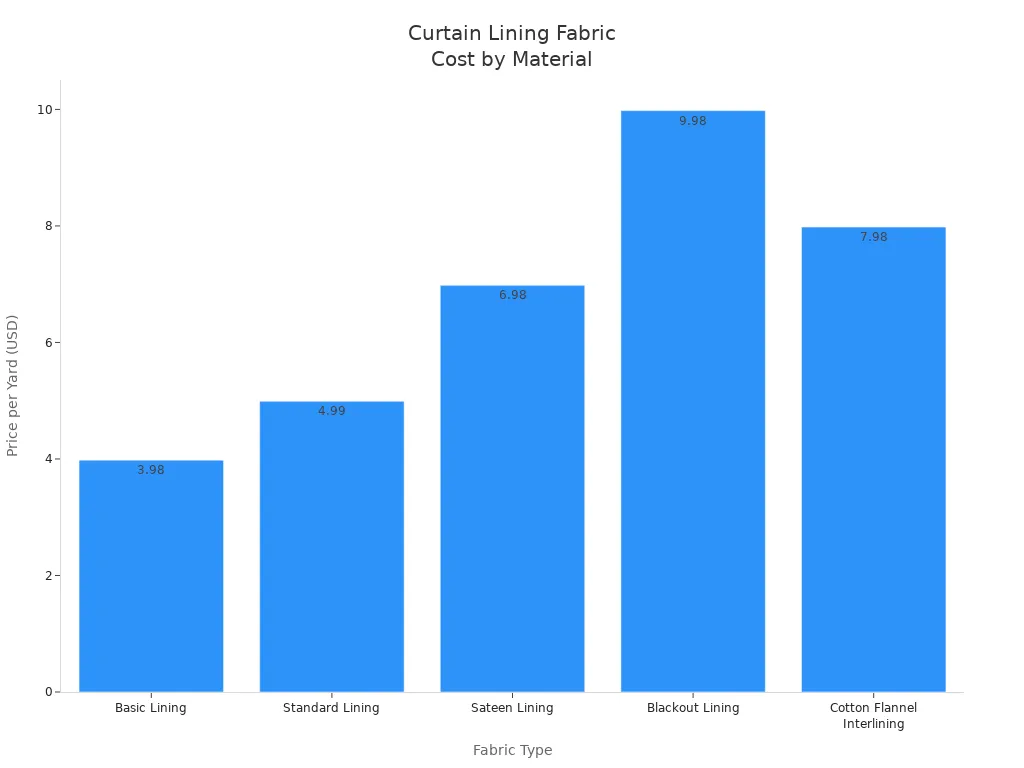
Cost influences the selection of drapery lining fabric. Prices vary based on material, thickness, and special features like blackout or thermal lining. Standard linings offer affordability, while premium materials provide enhanced performance and luxury.
|
Fabric Type |
Price per Yard |
|---|---|
|
Basic Lining |
$3.98 |
|
Standard Lining |
$4.99 |
|
Sateen Lining |
$6.98 |
|
Blackout Lining |
$9.98 |
|
Cotton Flannel Interlining |
$7.98 |
|
Premium Materials |
Up to $50 |
Budget-friendly options like polyester and cotton blends deliver durability and easy maintenance. These materials resist wrinkles and are simple to clean, making them practical for busy households.
|
Fabric Type |
Characteristics |
|---|---|
|
Polyester |
Budget-friendly, durable, wrinkle-resistant, easy to maintain |
|
Cotton blends |
Breathable, easier to clean than pure cotton |
For reliable performance and safety, consider certified, high-quality brands such as UNITEC. Their drapery lining fabric meets international standards, ensuring both durability and environmental responsibility.
Best Drapery Lining Fabric for Different Needs
Light Control and Privacy
Homeowners often seek drapery lining fabric that maximizes privacy and manages sunlight. Blackout lining stands out as the best drapery lining fabric for bedrooms and media rooms. This lining fabric material blocks nearly all natural light, creating a dark and private environment. Thermal linings also help control light while improving comfort. Some linings filter UV rays, allowing soft daylight to enter living spaces but reducing glare and protecting interiors from fading. These options give families flexibility to choose the best lining fabric for each room’s needs.
Tip: For living rooms, UV filtering linings balance natural light and privacy, making the space bright yet comfortable.
Insulation and Energy Efficiency
Drapery lining fabric can improve a home’s energy efficiency. The right lining fabric material helps maintain indoor temperatures and reduces energy costs. Velvet, cotton, linen, polyester, and interlining each offer unique benefits for insulation. The table below compares these popular choices:
|
Fabric |
Benefits for Insulation and Energy Efficiency |
|---|---|
|
Velvet |
Dense weave helps block light and provides superior insulation. |
|
Cotton |
Breathable and lightweight, allowing air circulation for freshness. |
|
Linen |
Filters light while providing privacy without closing off the space. |
|
Polyester |
Durable and easy to maintain, available in various styles. |
|
Interlining |
Additional layer for extra insulation and a fuller look. |
Interlining adds a layer between the main curtain and the lining, increasing insulation and giving curtains a fuller appearance. Many families choose these drapery lining fabric options to keep rooms warmer in winter and cooler in summer.
Durability and Longevity
Durability matters when selecting drapery lining fabric for busy homes or commercial spaces. Some lining fabric material, such as Bemberg rayon, polyester China silk, and cupro, receives high ratings for strength and long-lasting performance. The table below highlights these fabrics:
|
Fabric Type |
Best For |
Durability |
|---|---|---|
|
Bemberg Rayon |
Tailored jackets, suits |
High |
|
Polyester China Silk |
Dresses, skirts, budget coats |
High |
|
Cupro |
Eco-conscious fashion, vegan alternatives |
High |
Polyester blends also resist wrinkles and shrinking, making them a practical choice for everyday use. These drapery lining fabric options help curtains maintain their shape and color over time, even with frequent cleaning.
Practical Tips for Lined Curtains
Measuring for Lining
Accurate measurements help lined curtains fit perfectly and function well. Follow these steps for best results:
-
Measure the inside casing depth at the top to check if an inside or flush mount will work.
-
For width, measure at the top, middle, and bottom of the window. Use the smallest measurement and round down to the nearest 1/8 inch.
-
For length, measure at the left, center, and right. Use the largest measurement and round up to the nearest 1/8 inch.
-
For outside mounts, measure the window’s outer frame width and add 2–4 inches to reduce light gaps.
-
Mount the curtain rod 10–12 inches above the window frame to allow for stack height and a fuller look.
Tip: Always double-check measurements before cutting any drapery lining fabric.
Sewing and Attaching Lining
Sewing and attaching lining can be a simple DIY project. Start by laying out both the main curtain and the lining fabric on a flat surface. Pin the lining to the curtain, keeping edges even. Sew along the sides and bottom, leaving the top open for the curtain rod or header. For a professional finish, press seams flat and trim any loose threads. Many people use a slipstitch or blind hem for a neat appearance.
Installation Advice
Proper installation helps lined curtains perform at their best. Consider these steps:
-
Use thermal or blackout linings for better insulation and energy savings.
-
Make sure curtains are 1.5–2 times the width of the window for full coverage.
-
Extend curtains from ceiling to floor for a dramatic effect and improved insulation.
-
Choose a header style, such as pinch pleats or grommets, to match your decor and needs.
-
Request fabric samples to check color and texture before making a final choice.
Maintenance Tips
Regular care keeps lined curtains looking fresh and lasting longer. Try these routines:
-
Vacuum weekly with a soft brush attachment to remove dust.
-
Shake thicker curtains gently to release loose dust.
-
Focus on pleats and hems during monthly cleaning.
-
For silk, velvet, brocade, or damask, use professional cleaning to protect the fabric.
-
Hand-wash linen drapes in cold water if allowed, then air dry.
Note: Always check the care label for specific instructions for your drapery lining fabric.
Selecting the best lining fabric for curtains depends on several important factors. Experts recommend the following steps:
-
Think about the room and its needs. Bedrooms benefit from blackout linings, while living rooms often use lighter fabrics.
-
Match the lining weight to the curtain fabric for proper drape and support.
-
Consider cleaning needs. Polyester offers easy care, while cotton may need more attention.
-
Stick to your budget by choosing affordable options like cotton or polyester.
Quality, certified fabrics such as those from UNITEC help ensure durability and safety. Using these tips leads to better results and longer-lasting curtains.
FAQ
What is the main purpose of lining curtains?
Lining adds privacy, blocks light, and protects the main curtain fabric from sun damage. It also helps insulate rooms, making them more energy efficient.
Can you wash lined curtains at home?
Most polyester and cotton-lined curtains can be machine washed on a gentle cycle. Always check the care label. Delicate fabrics like silk or velvet require professional cleaning.
Which lining fabric works best for blackout curtains?
Blackout lining fabric, often made from polyester or a blend, blocks nearly all light. This type suits bedrooms, nurseries, and media rooms where darkness is important.
How does curtain lining improve energy efficiency?
Curtain lining traps air between the window and the room. This extra layer reduces heat loss in winter and keeps rooms cooler in summer. Homeowners often see lower energy bills.
Are certified lining fabrics safer for homes?
Certified fabrics, such as those from UNITEC, meet international safety standards like OEKO-TEX and GREENGUARD. These certifications ensure the fabric contains no harmful chemicals and is safe for indoor use.