
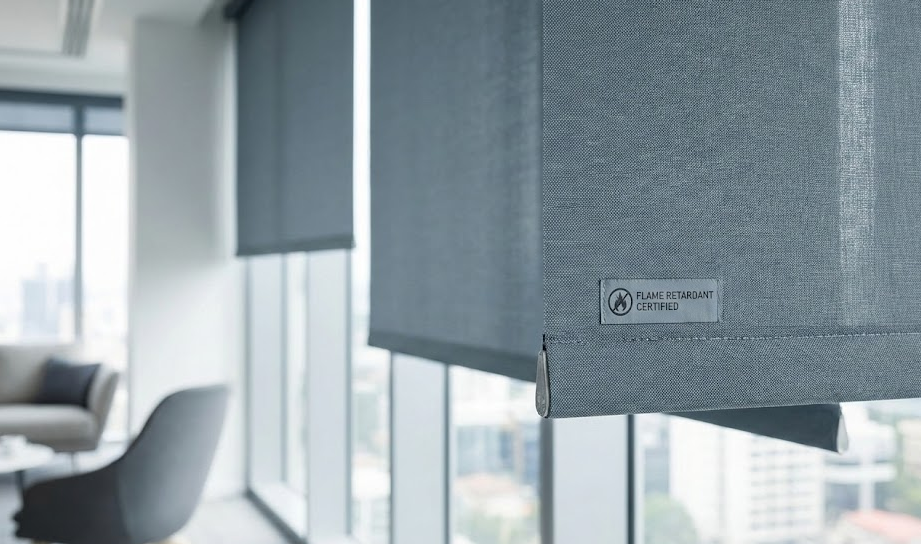
Flame retardant roller blinds use specialized fabrics or treatments to resist ignition and slow the spread of fire. This feature plays a vital role in safety for homes and businesses. Many commercial buildings, schools, and healthcare facilities must meet strict fire safety requirements, including the use of fire-retardant roller blinds or fire retardant blinds for added protection.
Setting Type | Fire Safety Requirement |
|---|---|
Commercial Buildings | Often mandated to use flame retardant blinds due to high fire risk. |
Healthcare Facilities | Must comply with Life Safety Code requiring fire-retardant window coverings in patient care areas. |
Educational Institutions | Require flame-resistant treatments in classrooms and dormitories to protect vulnerable populations. |
Assembly Occupancies | Face strict requirements due to high occupant density and evacuation challenges. |
Business Occupancies | Typically require flame-resistant window treatments, especially in high-rise buildings. |
Providers like UNITEC deliver quality solutions that help meet these crucial standards.
Key Takeaways
Flame retardant roller blinds enhance safety by resisting ignition and slowing fire spread, making them essential for homes and businesses.
Inherently flame-resistant fabrics maintain their protective qualities for the life of the product, while chemically treated fabrics may require re-treatment over time.
Compliance with fire safety standards, such as NFPA 701, is crucial for commercial buildings, ensuring safety and legal adherence.
Regular maintenance, including gentle cleaning, helps preserve the effectiveness of fire retardant properties and ensures long-term protection.
Investing in certified fire retardant blinds can lower insurance costs and provide peace of mind, knowing your space is safer.
Flame Retardant Roller Blinds: Materials & Treatments
Inherently Flame-Resistant Fabrics
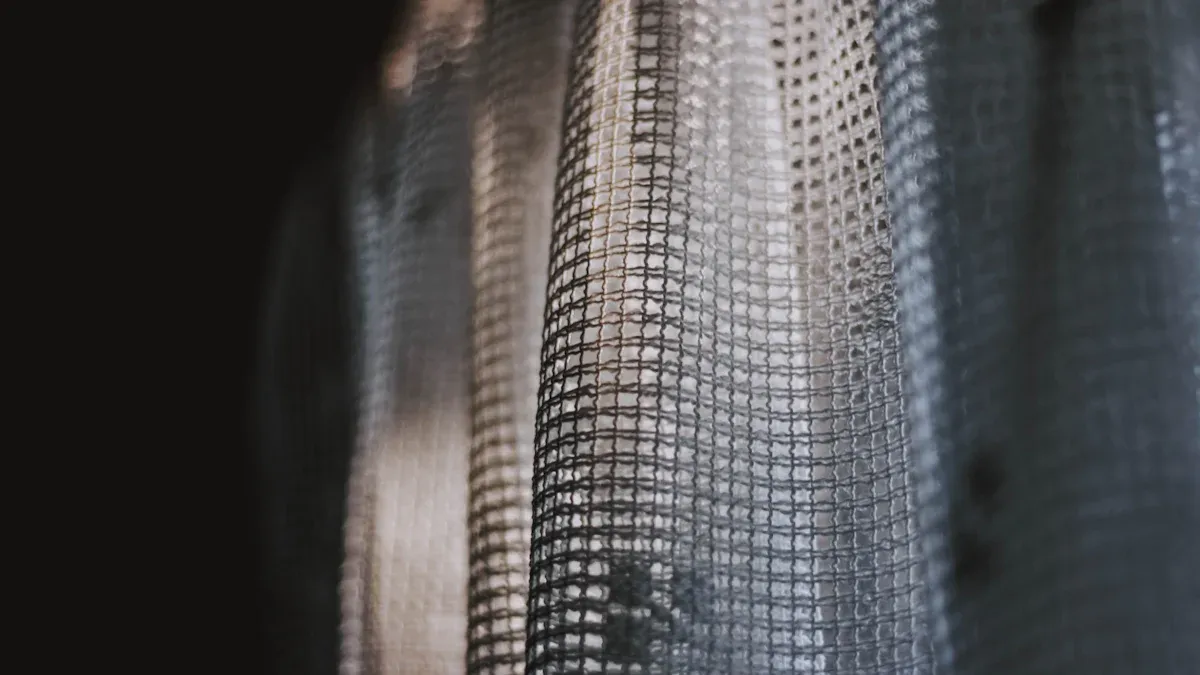
Some roller blinds use inherently flame-resistant fabrics. These materials have fire retardant properties built into their fibers. They do not rely on surface treatments. The most common inherently flame-resistant fabrics include glass fiber, ceramic fiber, carbon fiber, and metal fiber. Each material offers a different level of fire resistance and practical use.
Material Type | Temperature Resistance | Fire Performance | Practical Limitations |
|---|---|---|---|
Glass Fiber | 1000°F+ (538°C+) | Excellent | Handling safety concerns |
Ceramic Fiber | 2000°F+ (1093°C+) | Superior | Brittleness and health risks |
Carbon Fiber | 1200°F+ (649°C+) | Excellent | Premium cost requirements |
Metal Fiber | Variable by alloy | Superior | Weight and aesthetic limits |
Inherently flame-resistant fabrics maintain their fire-retardant qualities throughout their lifespan. Cleaning or regular use does not reduce their effectiveness. This makes them ideal for meeting fire safety regulations in both residential and commercial spaces.
UNITEC uses high-quality polyester and other fire retardant materials to create durable and safe roller blinds. These fabrics are designed to meet strict fire retardant requirements and provide long-lasting protection.
Fire-Retardant Chemical Treatments
Some roller blinds achieve flame resistance through chemical treatments. These treatments can be applied to both natural and synthetic fibers. The process involves adding fire retardant chemicals to the fabric, either during manufacturing or as a surface finish.
Chemical additives such as aluminium hydroxide and magnesium hydroxide interrupt fire progression.
Treatments can be inherent within the fibers or applied topically.
Both natural fibers (cotton, linen, silk, wool) and synthetic fibers (polyester, rayon) can be treated.
Specialized finishes like FlameGard® are water-based and non-toxic, enhancing flame resistance while preserving the fabric’s texture.
Chemically treated fire-retardant roller blinds provide effective protection, but their fire-retardant properties can diminish over time. Frequent cleaning or wear may require re-treatment to maintain compliance with fire safety standards.
Type of Fabric | Durability and Performance |
|---|---|
Chemically Treated Fabrics | Flame retardancy diminishes over time due to wear and cleaning; requires periodic re-treatment and re-testing. |
Inherently Flame-Resistant Fabrics | Fire retardancy lasts for the life of the fabric; does not dissipate with cleaning and does not require re-treatment. |
Certifications and Standards
Fire-retardant roller blinds must meet strict standards and regulations to ensure safety. International fire safety certifications confirm that products have passed rigorous testing. UNITEC’s blinds fabrics hold several respected certifications, demonstrating their commitment to quality and safety.
Certification | Description |
|---|---|
SGS | Provides testing and certification services for quality assurance. |
Greenguard | Certifies low chemical emissions in products. |
Oeko-Tex Standard 100 | Tests for harmful substances in textiles. |
REACH | Ensures compliance with EU regulations on chemical safety. |
UL | Underwriters Laboratories certification for safety standards. |
CE | Conformité Européenne marking for product safety. |
ROHS | Restriction of Hazardous Substances compliance. |
GOTS | Global Organic Textile Standard certification. |
COLOR FASTNESS TEST | Ensures color durability in fabrics. |
NFPA701 | Fire safety standard in the USA. |
Green Guard Gold | Certification for low chemical emissions and safety. |
Note: Fire safety certifications and compliance with fire safety standards are essential for both residential and commercial installations. These certifications help ensure that fire retardant blinds meet all fire retardant regulations and fire retardant requirements in different regions.
UNITEC’s products are designed to meet or exceed these standards, making them a reliable choice for anyone seeking fire-retardant fabrics that comply with the latest regulations.
How Fire-Retardant Roller Blinds Work
Heat Absorption and Char Formation
Fire-retardant roller blinds use advanced materials and treatments to protect against fire. When exposed to high temperatures, these blinds do not catch fire easily. Instead, they absorb heat and begin a special process called char formation. This process creates a protective layer on the surface of the fabric.
Phosphorus-based flame retardants in the fabric help form a thick char when heated. This char acts as a barrier, blocking oxygen and slowing down the burning process.
Some halogen-free flame retardants absorb heat and release water vapor. The water vapor cools the fabric and helps prevent flames from spreading.
The char layer shields the underlying material from direct contact with flames. This barrier reduces the amount of heat that passes through the fabric.
The use of fire retardant fabric in these blinds means that the material does not melt or drip when exposed to fire. Instead, it maintains its structure and continues to protect the space behind it. This mechanism is crucial in both homes and commercial buildings, where every second counts during a fire emergency.
Slowing Ignition and Flame Spread
Fire-retardant roller blinds are designed to resist ignition. The materials used in these blinds do not catch fire quickly. If flames do reach the blinds, the special treatments slow down how fast the fire can move across the surface.
Fire retardant blinds are made from materials that resist ignition and slow the spread of flames. This feature gives people more time to react and escape safely.
The blinds provide extra time for firefighters or building occupants to intervene before the fire grows larger.
Regular window shades can act as fuel for a fire. In contrast, fire retardant blinds help stop flames from moving to other parts of the room.
The effectiveness of flame retardant roller blinds comes from their ability to limit the damage caused by fire. By slowing down the spread of flames, these blinds help reduce property damage and increase safety for everyone inside. The use of certified fire-retardant roller blinds in public spaces, offices, and homes is a smart way to meet safety standards and protect lives.
Fire Retardant Blinds: Safety & Effectiveness
Residential and Commercial Applications
Fire retardant blinds play a key role in protecting both homes and businesses. In residential settings, these blinds offer several important safety benefits:
Flame suppression helps prevent fire from spreading quickly.
Self-extinguishing properties stop ongoing flame development.
No dripping means there is less risk of fire spreading to other areas.
Compliance with fire safety standards ensures that families stay protected.
Commercial buildings, such as healthcare facilities, schools, hotels, and high-rise apartments, must meet strict fire safety requirements. Fire retardant blinds are often required by law in these environments. They must comply with fire safety standards like NFPA 701 and local fire safety regulations. Different types of buildings have their own fire safety requirements, including extra regulations for healthcare and education.
UNITEC offers a wide range of fire retardant blinds to suit many needs. Their product line includes options made from various fire retardant materials. The table below shows some customization choices available for different environments:
Material Type | Benefits |
|---|---|
Inherent fire-retardant fabrics | High fire resistance and durability |
Treated materials | Enhanced fire resistance |
Polyester with fire retardant treatments | Good balance of cost and fire safety |
Fiberglass blends | Lightweight and effective fire resistance |
PVC-coated fabrics | Durable and easy to clean |
These options help meet fire safety standards and fire retardant requirements in both homes and businesses.
Compliance and Peace of Mind
Meeting fire safety standards is essential for every building. Fire retardant blinds help owners and managers comply with fire safety certifications and fire safety regulations. These products protect property and people by following strict fire safety standards and fire retardant regulations.
In commercial settings, fire safety standards are not just recommendations—they are legal requirements. Fire retardant blinds must pass fire safety certifications to be installed in public spaces. This ensures that all fire safety requirements are met. For building owners and occupants, this brings peace of mind. They know that fire retardant blinds provide an extra layer of safety and help protect against fire damage.
Choosing certified fire retardant blinds from UNITEC means meeting all fire safety standards and regulations, while also ensuring a safer environment for everyone.
Maintenance and Longevity
Cleaning and Care
Proper maintenance is essential for preserving the effectiveness of fire retardant roller blinds. Regular cleaning helps keep blinds looking new and ensures they continue to meet fire safety certifications and standards. However, not all cleaning methods are suitable for fire retardant materials. Some treatments, especially topical ones, may lose their effectiveness if cleaned too often or with harsh chemicals.
Recommended cleaning methods include:
Dusting blinds gently with a soft cloth or vacuuming with a brush attachment.
Spot cleaning stains with a damp cloth and mild detergent.
Avoiding abrasive cleaners or scrubbing, which can damage the fire retardant layer.
Scheduling periodic professional maintenance for blinds in high-traffic or commercial areas.
Following these steps helps maintain compliance with fire retardant regulations and ensures that blinds continue to meet fire retardant requirements. Proper care also supports the longevity of the blinds and their protective features.
Durability of Flame Retardant Properties
The durability of fire retardant properties depends on the type of fire retardant materials and treatments used. Inherently flame-resistant fabrics retain their fire resistance throughout the life of the product. These materials do not require re-treatment and maintain their performance even after repeated cleaning. Chemically treated fabrics, on the other hand, may need periodic re-treatment to comply with current standards and regulations.
Fabric Type | Fire Retardant Longevity | Maintenance Needs |
|---|---|---|
Inherently flame-resistant | Lasts for the life of the fabric | Minimal |
Chemically treated | May diminish over time | Periodic re-treatment |
UNITEC demonstrates a strong commitment to quality and durability. Their blinds fabrics are designed to meet strict standards and fire safety certifications, ensuring long-term protection. By choosing products that comply with fire retardant regulations, users gain peace of mind and reliable performance for years to come.
Choosing fire retardant blinds offers important safety advantages. These blinds slow fire spread, resist ignition, and help meet fire safety requirements in homes and businesses. Certified products like those from UNITEC meet strict standards, ensuring long-term protection and peace of mind. Meeting fire safety requirements and fire retardant requirements is essential for compliance. Investing in blinds that meet these standards can also reduce insurance costs and maintenance needs, making them a smart choice for any space.
Factor | Benefit |
|---|---|
Safety | Slows fire, resists ignition |
Standards | Meets strict regulations |
Peace of Mind | Reliable long-term protection |
Insurance | May lower premiums |
FAQ
What does “flame retardant” mean for roller blinds?
Flame retardant means the blinds resist catching fire. The fabric slows down burning and helps prevent flames from spreading. This feature adds safety to homes and businesses.
How do I know if my roller blinds are fire retardant?
Check for labels or certifications like NFPA 701, SGS, or Oeko-Tex 100. These show the blinds meet fire safety standards. You can also ask the manufacturer for documentation.
Can I clean flame retardant roller blinds with water?
Use a damp cloth and mild detergent for cleaning. Avoid soaking the fabric or using harsh chemicals. Too much water or strong cleaners can reduce the fire retardant effect, especially on treated fabrics.
Do flame retardant properties wear off over time?
Inherently flame-resistant fabrics keep their properties for life. Chemically treated fabrics may lose effectiveness after repeated cleaning or years of use. Re-treatment may be needed for continued protection.
Are flame retardant blinds required by law?
Many commercial buildings, schools, and healthcare facilities must use flame retardant blinds by law. Homeowners may not be required, but using them increases safety and peace of mind.