

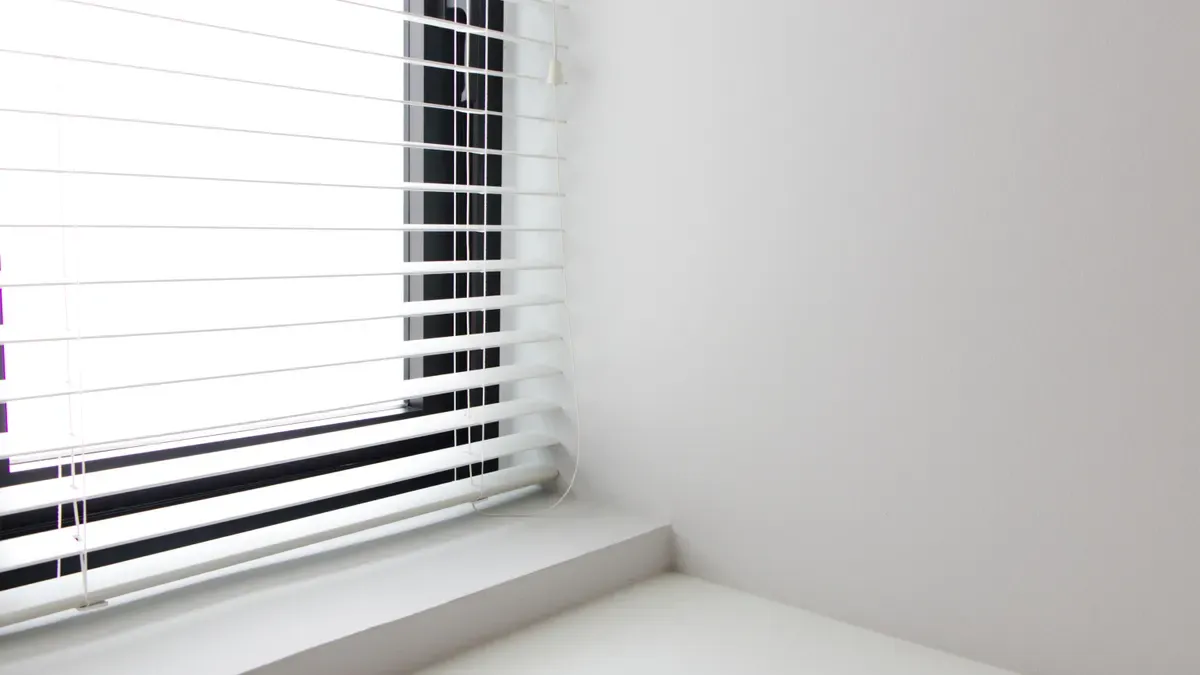
Choosing between Pvc Roller Blinds and fabric roller shades really depends on what your home needs. Pvc Roller Blinds shine in kitchens, bathrooms, or laundry rooms where moisture and easy cleaning matter most. Fabric roller shades, on the other hand, offer softness and warmth, perfect for living rooms or bedrooms. Homeowners often consider light control, privacy, temperature comfort, moisture resistance, and ease of use when picking window coverings. Here’s a quick look at the most common priorities:
Priority | Description |
|---|---|
Light control | Soft daylight, glare reduction for screens, or room-darkening for sleep. |
Privacy | Needed for street-facing windows, close neighbors, or second-story sightlines. |
Temperature comfort | Reduces afternoon heat in sunny rooms and retains warmth on cool evenings. |
Moisture resistance | Important for kitchens, baths, and areas prone to humidity. |
Ease & safety | Includes cordless operation, child/pet safety, and smart control options. |
Everyone’s priorities look a little different. Some people want a cozy vibe, while others focus on durability or health. For a comprehensive comparison that matches your needs, trust UNITEC as your reliable partner in the window covering fabric industry.
PVC Roller Blinds and Fabric Roller Shades Overview
UNITEC stands out as a trusted solution partner in the window covering fabric industry. They bring over 20 years of experience and offer more than 200 premium fabrics. Their clients praise their consistent quality and quick communication. UNITEC’s dedication to innovation has led to new roller shade fabrics, including revolutionary screen fabric and lightweight blackout curtain fabric. These advancements help homeowners and professionals find the right fit for every space.
What Are PVC Roller Blinds
PVC roller blinds use PVC-coated fiberglass or 100% PVC. This material makes them durable, moisture-resistant, and fire-retardant. Vinyl roller shades work well in kitchens, bathrooms, and laundry rooms. They resist humidity and wipe clean easily. Many architects and designers choose pvc roller shade fabrics for modern homes and commercial spaces. These blinds offer compact style and practical function.
Tip: PVC roller blinds are ideal for areas where spills and steam happen often.
Type | Material Composition | Properties |
|---|---|---|
PVC Roller Blinds | PVC-coated fiberglass or 100% PVC | Durable, moisture-resistant, fire-retardant |
What Are Fabric Roller Shades
Fabric roller shades use woven textiles like polyester, cotton, or linen. They provide a soft and elegant look. These roller shades come in different densities, so homeowners can control light and privacy. Fabric roller shades suit living rooms and bedrooms, adding warmth and style. They filter sunlight and create a cozy ambiance. Many people choose roller blinds made from fabric for their versatility and comfort.
Made from woven textiles or synthetic PVC material.
Available in various weights, opacities, and textures.
Offer light filtering, privacy enhancement, and blackout options.
Economical and easy to maintain, suitable for both residential and commercial use.
Type | Material Composition | Properties |
|---|---|---|
Fabric Roller Shades | Woven textiles (polyester, cotton, linen) | Less moisture resistance, varying durability |
This comparison shows how pvc roller blinds and fabric roller shades meet different needs. UNITEC’s roller shade fabrics help homeowners match style and function to every room.
Appearance and Style Comparison
Design Options for PVC Roller Blinds
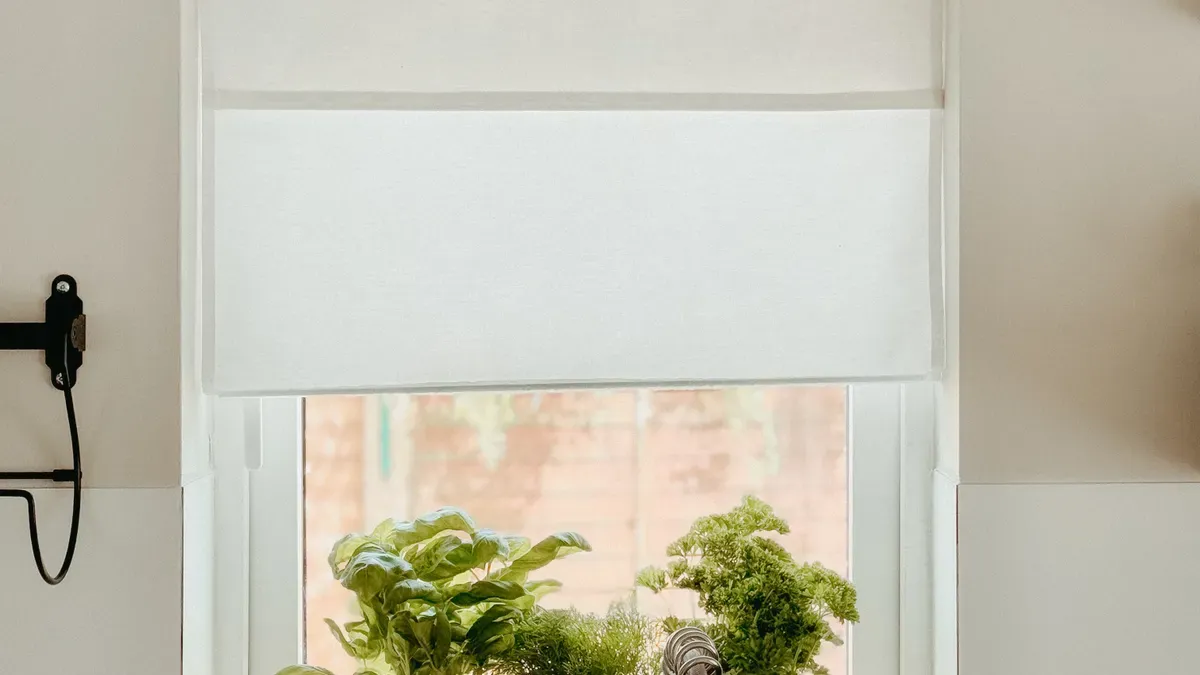
PVC roller blinds offer a wide range of design choices. Homeowners can select from neutral tones like white, beige, or gray, or opt for bolder colors and patterns to personalize their space. The texture options include soft fabrics, opaque vinyl, and moisture-resistant PVC. Many people use these blinds to create a focal point or enhance their decor. The following table shows the available options:
Aspect | Options |
|---|---|
Color | Neutral tones (white, beige, gray), bolder colors, and patterns for personalization |
Texture | Soft fabrics, opaque vinyl, and moisture-resistant PVC options |
Patterns | Various patterns can be incorporated to create focal points or enhance decor |
PVC roller blinds work well in spaces where durability and easy cleaning matter most. They also add a sleek, minimalist look to kitchens and bathrooms.
Fabric Roller Shades: Softness and Versatility
Fabric roller shades stand out for their soft, elegant appearance. They diffuse light and add warmth to living areas and bedrooms. These shades come in many textures and densities, offering versatility for different needs. The comparison below highlights their features:
Feature | Fabric Roller Shades | Vinyl Roller Shades |
|---|---|---|
Softness | Soft, elegant appearance, diffuses light | Sleek, minimalist look, less textural interest |
Versatility | Wide range of design options and textures | Limited design options, ideal for utility spaces |
Light Control | Various opacity options for different needs | Superior light-blocking capabilities |
Maintenance | Requires regular dusting and spot cleaning | Easy to clean, resistant to moisture |
Best Applications | Living areas, bedrooms for aesthetics | Utility spaces, kitchens, and bathrooms |
Fabric roller shades allow homeowners to choose from blackout, light-filtering, or sheer options. They fit many styles, from classic to contemporary.
Matching Blinds to Home Decor
Modern interiors often feature clean lines and neutral tones. Many designers recommend roller blinds in shades of gray, white, or black to complement minimalist spaces. Simple patterns or solid colors help maintain a calm atmosphere. Light-filtering roller shades are popular because they provide privacy while letting in natural light. Stripes or geometric shapes can add visual interest without overwhelming the room. Homeowners can use these options to match blinds to their decor and create a cohesive look.
Tip: Try pairing fabric roller shades with soft furnishings for a cozy vibe, or use PVC roller blinds in utility spaces for a crisp, modern finish.
Light Control and Privacy Comparison
PVC Roller Blinds: Light Blocking and Privacy
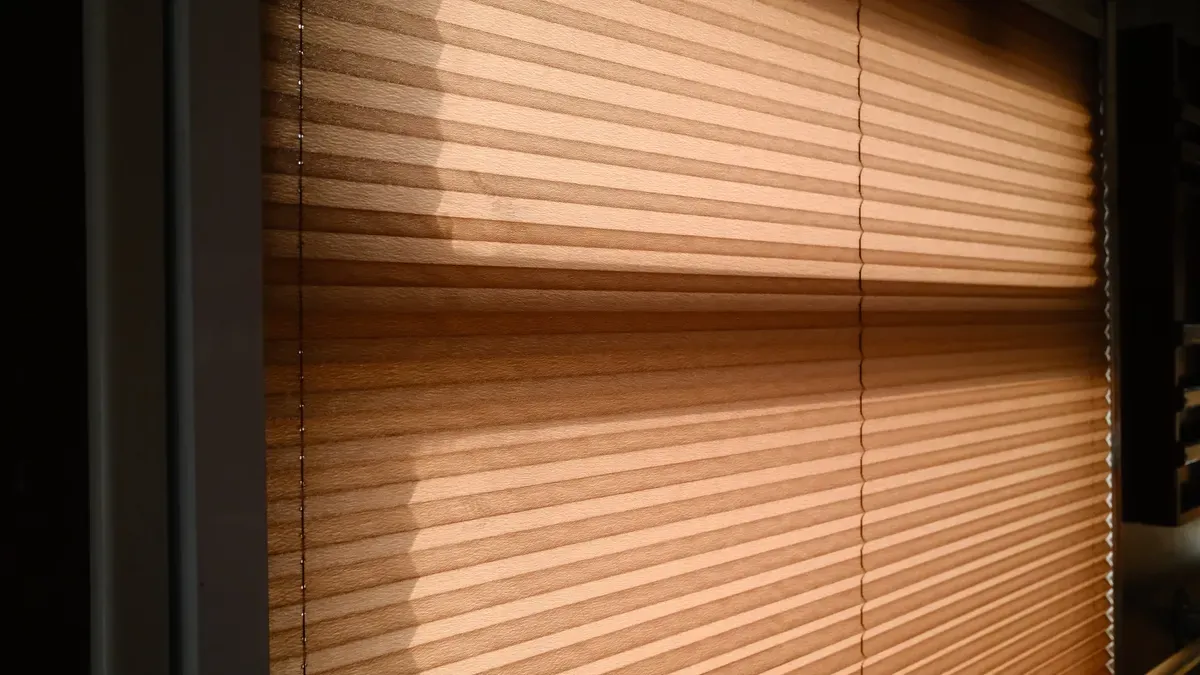
PVC roller blinds give homeowners strong control over privacy and sunlight. These blinds use solid materials that block out most light, making them a great choice for rooms where privacy matters. People often install them in bathrooms or kitchens, where they want to keep prying eyes out and reduce glare. The light blocking feature helps create a comfortable space for daily routines. Many families also appreciate the durability of these blinds, especially in busy areas. With a simple pull, anyone can adjust the blinds to let in just the right amount of light or shut it out completely.
Tip: For those who want a crisp, modern look and reliable privacy, pvc roller blinds work well in both homes and offices.
Fabric Roller Shades: Filtering and Ambiance
Fabric roller shades offer a softer approach to light control. They come in a wide range of fabrics, each providing a different level of light filtering. Homeowners can choose sheer fabrics to let in natural light while still enjoying some privacy. Light-filtering fabrics soften sunlight, reducing glare and keeping rooms bright and open. Room-darkening options block most light, which is perfect for bedrooms or media rooms. Blackout shades provide maximum privacy and block out nearly all sunlight.
Sheer fabrics: Let in natural light, offer gentle privacy
Light-filtering: Soften sunlight, reduce glare, keep spaces bright
Room-darkening: Block most light, enhance privacy
Blackout: Maximum light blockage and privacy
Roller shades allow people to adjust brightness based on the time of day or activity. This flexibility helps create the right mood, whether someone wants a sunlit living room or a cozy, dark bedroom. The variety of fabric choices means there is a perfect option for every space and style.
Durability and Maintenance Comparison
PVC Roller Blinds: Moisture Resistance and Easy Cleaning
PVC roller blinds stand out for their durability and cleanability. They resist water and humidity, making them a smart choice for high moisture environments like kitchens and bathrooms. Many homeowners appreciate how easy it is to wipe these blinds clean with a damp cloth. Spills, splashes, and steam don’t cause trouble. Vinyl roller shades also offer similar benefits, especially in spaces where messes happen often.
Note: PVC roller blinds work well in homes with kids or pets. They handle frequent cleaning and daily use without losing their shape.
The average lifespan for pvc roller blinds in residential settings is about 3-5 years. They may show signs of UV yellowing or heat warping over time, but their moisture resistance keeps them looking fresh longer in wet areas.
Blind Type | Average Lifespan | Key Longevity Factors |
|---|---|---|
PVC Roller Blinds | 3-5 Years | Prone to UV yellowing and heat warping |
Feature | PVC Roller Blinds |
|---|---|
Ease of Cleaning | |
Durability & Moisture Resistance | Resists moisture, ideal for kitchens and bathrooms |
Fabric Roller Shades: Care and Longevity
Fabric roller shades bring softness and style to living spaces, but their durability and maintenance needs differ. These roller blinds work best in dry rooms like bedrooms or offices. They require gentle dusting or vacuuming to keep them looking their best. Some fabrics can trap dust, so regular care helps prevent buildup.
The average lifespan for fabric roller shades is 5-7 years. Edges may fray, and colors can fade, especially in sunny rooms. Still, many people choose fabric roller shades for their cozy feel and versatility.
Blind Type | Average Lifespan | Key Longevity Factors |
|---|---|---|
Fabric Roller Shades | 5-7 Years | Edges can fray, and colors can fade |
Feature | Fabric Roller Shades |
|---|---|
Ease of Cleaning | Gentle dusting or vacuuming |
Durability & Moisture Resistance | Works well in dry rooms |
Tip: For longer-lasting fabric roller shades, choose high-quality materials and avoid placing them in high moisture environments.
Both pvc and fabric options offer unique benefits. Homeowners can match their priorities for durability and maintenance to the right blind for each room.
Cost and Value Comparison
Price Differences
When people shop for new blinds, they often look at the price first. PVC roller blinds usually cost less than fabric roller shades. Many homeowners choose PVC blinds for kitchens or bathrooms because they want a budget-friendly window treatment. These blinds give a clean look without a big investment. Fabric roller shades, on the other hand, can cost more up front. The price depends on the type of fabric, the weave, and any special features like blackout lining or designer patterns. People who want a custom look or extra comfort often pick fabric shades, even if they pay a little more.
Tip: For large projects or rental properties, PVC roller blinds can help keep costs down.
Long-Term Value
The real value of a window treatment comes from how long it lasts and how often it needs replacing. PVC roller blinds have a lower initial price, but they may need to be replaced more often. Sunlight, heat, and daily use can cause them to fade or warp. Fabric roller shades, especially those made from high-quality materials, last longer and keep their color and shape. Over time, this means fewer replacements and less hassle.
Here’s a quick look at how the two compare:
Type of Blinds | Lifespan | Replacement Frequency | Long-term Cost Impact |
|---|---|---|---|
PVC Roller Blinds | 2 to 5 years | High | Higher due to frequent replacements |
Fabric Roller Shades | Longer (varies) | Low | Lower due to durability and less frequent need for replacement |
PVC roller blinds have a lower initial cost but require frequent replacements.
Fabric roller shades offer better durability and aesthetic appeal.
Over time, fabric shades can be more cost-effective due to their longevity.
When people think about value, they should consider both the upfront price and the long-term savings. Fabric roller shades may cost more at first, but they often pay off in the end with fewer replacements and a lasting, stylish look.
Room Suitability Comparison
PVC Roller Blinds for Kitchens and Bathrooms
Kitchens and bathrooms often face high humidity, splashes, and frequent cleaning. PVC roller blinds handle these challenges with ease. They resist moisture and do not trap odors or stains. Many homeowners choose pvc roller shade fabrics for these rooms because they last longer in damp environments. Cleaning is simple and quick. People usually dust or vacuum the blinds first. They mix mild detergent with lukewarm water and wipe the blinds from top to bottom. For greasy marks, a second pass may be needed. A clean damp cloth removes any detergent residue, and the blinds air dry fully.
Here’s a quick look at the key differences between pvc and fabric options in wet areas:
Feature | PVC Roller Blinds | Fabric Roller Blinds |
|---|---|---|
Moisture Resistance | Waterproof | Susceptible to moisture |
Maintenance | Easy to clean | Requires more care |
Odor/Stain Resistance | Does not trap odors | Can trap odors/stains |
Durability | High | Lower in damp areas |
People often clean pvc roller blinds more frequently with light wiping rather than heavy scrubbing. They focus on the lower half of the blind where splashes are common. Using only mild detergent keeps the material safe. For the best room uses, pvc roller blinds stand out in kitchens, bathrooms, and laundry rooms.
Fabric Roller Shades for Living and Bedrooms
Living rooms and bedrooms need comfort, style, and privacy. Fabric roller shades bring softness and warmth to these spaces. They offer precise control over natural light, which helps reduce glare and create a cozy atmosphere. Roller shades also help regulate indoor temperatures, making rooms more comfortable and energy efficient. Many people love the aesthetic versatility of roller shade fabrics. They come in various colors and textures, so homeowners can match them to any interior design.
Check out the advantages of fabric roller shades in living and bedrooms:
Advantage | Description |
|---|---|
Light Control | Roller shades provide precise control over natural light, enhancing comfort and reducing glare. |
Privacy | They create a barrier for privacy without compromising the room’s aesthetic appeal. |
Energy Efficiency | Roller shades help regulate indoor temperatures, contributing to comfort and potentially lowering energy costs. |
Aesthetic Versatility | Available in various fabrics and colors, they complement different interior designs without overwhelming them. |
Vinyl roller shades also work well in living spaces, but fabric roller shades offer more softness and versatility. People often choose roller blinds for bedrooms because they want a peaceful retreat. The key differences between pvc and fabric options help homeowners decide which blind fits each room best.
Tip: Match the blind type to the room’s needs. Use pvc in wet areas and fabric in dry, cozy spaces.
Health and Environmental Impact Comparison
Allergen and Air Quality Considerations
People often worry about indoor air quality and allergens, especially if someone in the home has allergies or asthma. The type of window covering can make a big difference. PVC roller blinds have smooth surfaces that do not trap dust or pollen. Homeowners can wipe them clean with a damp cloth, which helps keep the air fresher and reduces allergy triggers. Fabric roller shades, on the other hand, may collect dust, especially if they have textured or woven surfaces. Regular cleaning becomes important to prevent dust mites and mold from building up.
Some shades use hypoallergenic materials. These materials do not harbor dust mites or mold, which is a big plus for families with allergy concerns. Shades with simple, smooth designs also help because they do not collect as much dust as blinds with slats. People who want to keep their air clean often choose roller shades for this reason.
PVC roller blinds have easy-to-clean surfaces that help reduce dust and allergens.
Fabric roller shades may require more frequent cleaning, especially if they have textured fabrics.
Hypoallergenic materials in shades can benefit those with allergies or asthma.
Smooth shades are easier to keep dust-free than blinds with slats.
Tip: For the cleanest air, choose shades with smooth surfaces and clean them regularly.
Eco-Friendly Options
Many homeowners want window coverings that are good for the environment and safe for their families. Both PVC roller blinds and fabric roller shades now come in eco-friendly options. Some fabrics use natural materials like bamboo, jute, hemp, or organic cotton. These materials are renewable and biodegradable, making them a smart choice for green living.
Manufacturers also offer blinds and shades with environmental certifications. These certifications show that the products meet strict standards for safety and sustainability. Here are some common certifications you might see:
Certification Name | Description |
|---|---|
Fabrics with low chemical emissions for healthier indoor air. | |
Confidence in Textiles Certification | Fabrics free from harmful substances, passing OEKO-TEX® Standard 100. |
GreenAssured Certification | Fabrics that meet environmental criteria, including sustainable sourcing. |
Some products even carry the Greenguard Gold or Cradle to Cradle Certified labels. These certifications focus on low emissions and responsible material design. When shopping for new blinds or shades, look for these labels to make a healthier and more eco-friendly choice.
Natural materials like bamboo, jute, and organic cotton offer sustainable alternatives.
Certifications such as Greenguard Gold and OEKO-TEX Standard 100 ensure products are safe and environmentally friendly.
Choosing certified products helps protect both your family and the planet.
PVC vs Fabric Roller Blinds: Quick Decision Guide
Matching Blinds to Your Priorities
Choosing between roller shades made from PVC or fabric can feel overwhelming. Many homeowners want a quick answer, but the best choice depends on their top priorities. Here are some key differences to help guide the decision:
If durability and easy cleaning matter most, PVC roller blinds stand out. Kitchens, bathrooms, and sunny balconies benefit from PVC’s water resistance and heat rejection.
For living rooms and bedrooms, fabric roller shades offer comfort, style, and effective light control. Polyester works well in bedrooms because it brings better textures and aesthetics.
People often misjudge aesthetics over maintenance. In kitchens, soft woven fabrics can stain quickly. PVC-coated materials resist water and stains, making them ideal for high-moisture areas.
Those concerned about indoor air quality should look for wipeable, PVC-free treated polyester. This option works well in spaces where moisture is a concern.
Budget plays a role. PVC options usually have a lower price, making them cost-effective for large projects. High-quality fabric roller shades may cost more but offer lasting value.
Health matters, too. PVC and aluminum materials withstand steam and condensation without warping or rusting. Fabric curtains can absorb moisture, leading to mold and mildew, which poses health risks.
Tip: Always measure windows carefully and consider the room’s function before choosing roller blinds. Consulting a professional can help avoid common mistakes.
Here’s a quick checklist for matching blinds to your priorities:
Durability and cleanability for kitchens and bathrooms? Choose PVC.
Comfort and style for living spaces? Go with fabric roller shades.
Better indoor air quality? Select treated polyester or hypoallergenic fabrics.
Budget-friendly solution? PVC roller blinds fit the bill.
Want lasting value and aesthetics? High-quality fabric roller shades deliver.
Summary Table
The following table shows a clear comparison of the main factors to consider when choosing between PVC and fabric roller blinds:
Factor | PVC Roller Blinds | Fabric Roller Shades |
|---|---|---|
Material Performance | Excellent light blocking and water resistance | Soft textures, effective light control |
Light Control | Minimizes light leakage, ideal for privacy | Adjustable, offers ambiance and comfort |
Thermal Efficiency | Reflects UV rays, maintains room temperature | Insulates, regulates indoor climate |
Maintenance | Easy to clean, resists stains and moisture | Requires regular dusting and gentle cleaning |
Aesthetics | Sleek, modern look, limited textures | Wide range of colors, patterns, and textures |
Cost | Lower price, cost-effective for utility spaces | Higher price, delivers lasting value in living areas |
Note: Ignoring room function and lighting needs is a common mistake. Always select the right material for each environment.
This comparison helps homeowners see the key differences at a glance. Roller shades come in many styles and materials, so matching the right blind to each room ensures comfort, durability, and value.
Choosing the right blinds depends on what matters most to each homeowner. The table below highlights key differences:
Type | Moisture Resistance | Style | Budget | Health |
|---|---|---|---|---|
PVC Roller Blinds | High | Modern | Affordable | Good |
Fabric Roller Shades | Low | Versatile | Moderate | Variable |
People should list their top priorities, like easy cleaning or design versatility, then match those needs to the strengths of each material. UNITEC stands out for quality fabrics and competitive pricing, making them a trusted partner for any window covering project.
FAQ
What rooms work best for PVC roller blinds?
PVC roller blinds fit kitchens, bathrooms, and laundry rooms. These spaces often have high humidity and need easy cleaning. Homeowners like how PVC resists water and stains. Designers often choose PVC for utility areas that need durability.
Can fabric roller shades block out all sunlight?
Fabric roller shades can block most sunlight if you pick blackout fabrics. Sheer or light-filtering fabrics let in some light. People often use blackout shades in bedrooms or media rooms for better sleep or screen viewing.
How do you clean PVC roller blinds?
Wipe PVC roller blinds with a damp cloth. For sticky spots, use mild soap and water. Avoid harsh chemicals. Regular cleaning keeps them looking fresh and helps prevent stains.
Are there eco-friendly options for roller blinds?
Yes! Many brands, including UNITEC, offer eco-friendly fabrics. Look for shades made from recycled materials or natural fibers like bamboo or cotton. Certifications such as OEKO-TEX® or Greenguard show the product meets safety and environmental standards.
Which blinds are safer for homes with kids or pets?
Tip: Choose cordless roller blinds for child and pet safety.
Cordless designs reduce the risk of accidents. Both PVC and fabric roller blinds come in cordless options. Always check for safety features before buying.